If you are trying to find pest control Windsor families can trust, the safest answer is usually not one single product. It is Click here for more a combination of integrated pest management, careful inspection, focused targeted treatment, and effective prevention steps that keep resident safety as the top priority. For homes in Windsor, ON, the best approach is typically child-safe pest control and pet-safe pest control methods that minimize exposure while still solving the infestation.
That matters in Windsor because many homes, especially older properties in neighborhoods like Walkerville and downtown, have cracks, aging utility penetrations, and shared walls that make it easier for pests to move in. Add Windsor’s proximity to the Detroit River, humid conditions, and seasonal pressure during cold winters and spring thaw, and you get the kind of environment where ants, cockroaches, mice, and spiders can become recurring issues. The safest solution is one that uses low-toxicity treatments, non-chemical pest control where possible, and a custom plan built around your family’s routines.
What is behind pest control secure for children and pets?
Child-safe pest control and pest control safe for pets are about reducing risk at every step, not just choosing a “natural” product. A safe service usually means the technician uses a licensed pest control technician, follows clear application instructions, and chooses methods that keep minimal exposure to your household.
The safest services generally rely on integrated pest control management, which combines a thorough inspection, identification, regular monitoring, sanitation, blocking access points, and only then carefully selected treatments. This approach is often more household-friendly because it reduces the amount of product needed and focuses on the pest’s behavior, harborage areas, and access routes rather than blanket spraying.
When a provider uses low-toxicity options, the goal is often to create a minimal odor, controlled service with limited contact risk for kids and animals. That may involve placing products inside inaccessible voids, using stationary bait devices, or applying bait gels in specific areas rather than broadcasting chemicals across the home.
In practice, safe pest control is built around a few priorities:
- Focused treatment instead of broad applicationClear steps for reentry intervalsProducts and methods that are safe for kids and safe for petsStrong prevention through blocking entry and cleanupOngoing follow-up monitoring so the problem does not return
Which pests are the most common in Windsor homes?
In Windsor-Essex, the most typical household pests tend to be ants, cockroaches, spiders, and mice. These species frequently associated with family complaints, and they each call for a distinct strategy in pest control Windsor homes.
Ants commonly turn up in kitchens, basements, and around foundation cracks, particularly in spring and summer. They are attracted to crumbs, moisture, and easy access to food storage. For families, ant issues are often handled with ant control methods such as gel baits and careful sanitation rather than heavy spraying.
Cockroaches are a major concern because they can spread quickly and hide in warm, damp spaces behind appliances, in wall voids, and near plumbing. Effective cockroach control usually depends on sanitation, moisture control, and bait-based methods that are more selective than wide-area sprays.
Spiders may not always mean a large infestation, but frequent sightings can signal an underlying insect issue they are feeding on. Good spider control often starts with removal of webbing, sealing cracks, and reducing the insects that attract them.
Mice are one of the top concerns in colder months. During Windsor’s cold winters, rodents move indoors for warmth and shelter, especially in older homes with gaps around pipes, doors, and foundations. Reliable rodent control depends on inspection, exclusion, trapping, and follow-through, not just poison.
Because these pests behave differently, the safest service is usually one that identifies the species correctly before any treatment. A good professional inspection is what makes the plan both effective and safer for children and pets.
Which are the safest pest control methods for families?
The safest methods for families are usually the ones that minimize direct contact and prioritize prevention. In a lot of situations, non-chemical pest control methods can do a lot of the work before any product is used. This is the foundation of eco-friendly pest control and usually the most practical option for households that want to stay family-friendly.
Bait stations are often safer than loose product application because they hold the treatment in a tamper-resistant format. They are commonly used for rodent control and sometimes for insects as part of a larger service plan. When placed correctly, they reduce the chance of incidental contact.
Gel baits are also useful for cockroach control and ant control. A technician can place tiny amounts in hidden spots, which means less airborne exposure and less residue in living spaces. This can be especially helpful in kitchens and apartments where shared walls and tight spaces can complicate treatment.
Dust treatments can be a safe, effective option when applied inside wall voids, electrical voids, or other areas inaccessible to children and pets. They are not meant to be spread openly. Used properly, dusts can provide lasting control with very little day-to-day exposure.
In many homes, non-chemical pest control is just as important as any product. That includes:
- Sealing entry points around pipes, vents, and foundations Improving food storage so pests cannot reach crumbs, pet food, or pantry items Strengthening sanitation in kitchens, basements, and utility rooms Using moisture control to reduce water sources that attract pests
For many Windsor homes, this combination is the safest and most durable strategy. It reduces the need for repeated applications and helps the home stay protected between visits.
Are the chemical sprays safe around kids and pets?
Residual sprays can be safe when applied correctly, but they need greater attention than baits or barrier-focused methods. The key issue is not only the product itself, but how and where it is applied. Some sprays contain pyrethroids, a common class of insecticides used in pest management. These can be effective, but they must be applied according to label directions and kept away from unnecessary contact.
The most careful use of spray products depends on application timing and re-entry intervals. For example, a technician may apply a spray in a crawlspace, behind walls, along baseboards in limited spots, or around exterior entry points where it can target pests without exposing kids or pets to wet surfaces. Once the product is dry and the area has been ventilated as instructed, the home may be safe to re-enter according to the label.
This is why the treatment label matters so much. It tells you where the product can be used, whether it is appropriate for indoor use, how long to keep children and pets away, and what cleanup steps are required. A responsible provider will explain the label rodent control Windsor and the application instructions in plain language.
If a company relies heavily on spray-only service, ask whether a less intrusive plan is possible. In many cases, the safer route is to use sprays only where necessary, then rely on monitoring, exclusion, and baiting for ongoing control. That approach can lower exposure while still controlling the infestation.
For Windsor families, especially those with babies, toddlers, cats, or dogs, the safest question is not “Are sprays always bad?” It is “Is this spray necessary, and is it being used in a way that limits exposure?”
What should Windsor homeowners ask of a pest control company?
Before booking any appointment, pose direct questions that demonstrate you care about safety and results. A reputable provider of Windsor pest control should be ready to cover the following:
- Will a licensed technician handle the work? What does the inspection entail? Do you offer a written service plan? What products will be used, and can I see the treatment label? Are the treatments designed to be safe for kids and safe for pets? Is your company insured? Is there follow-up treatment if the problem continues?
It also helps to ask how the company handles eco-friendly pest control and whether they use integrated pest management. A good provider should be able to explain how they blend prevention, monitoring, and targeted treatment into a custom plan that suits your property.
Insurance matters because it shows the company is running a professional operation and has considered liability on your property. A trustworthy company should also explain whether they use residual effect products, where those products will go, and what you should do with children and pets during the process.
If the replies seem vague, rushed, or overly focused on spraying everything, continue searching. Families in Windsor need providers that understand resident safety and can offer practical, transparent advice.
How can you avoid infestations without risk without strong chemicals?
The safest prevention begins with daily practices that keep your home less appealing to pests right away. This is why exclusion, sanitation, and maintenance count just as much as any solution.
Sealing access points is one of the most effective measures. Use caulk, mesh, weatherstripping, or proper repair materials to close gaps around utility lines, door sweeps, vents, and foundation cracks. This is especially crucial in older Windsor housing, where small openings can become major pest highways.
Hygiene comes next. Sweep crumbs, wipe away grease, empty trash regularly, and never leave pet food out overnight. Kitchen areas, dining areas, basements, and laundry rooms should be kept tidy because they supply the food and shelter pests need to survive.
Proper food preservation is one more key protective measure. Place dry goods in closed containers, keep pantry items off damp floors, and do not leave ripe fruit or open snacks out. It is particularly helpful for ant control and cockroach prevention.
Moisture control is critical in Windsor because moisture and water seepage can attract pests and rodents. Repair leaks, use dehumidifiers in humid basements, improve ventilation, and remove standing water quickly. Near the Detroit River and in humid periods, moisture-related pest activity can rise, so keeping dry spaces dry makes a real difference.
Such actions are an element of avoiding problems, but they also help a safer pest program because they reduce the volume of chemical use needed. When you eliminate food sources, moisture, and harborage, you relieve the pest pressure and leave the home less attractive overall.
When do you need to contact a specialist in Windsor, ON?
You ought to reach out to a professional when you notice clear infestation signs or when DIY efforts are not solving the problem. In Windsor, the need for help often becomes clear during winter, when mice move indoors, or after spring thaw, when ants and moisture-driven pests become more active.
Signs that you should arrange a professional inspection include:
- Frequent sightings of ants, roaches, spiders, or mice Droppings, gnaw marks, or scratching sounds in walls Oily trails, shed skins, or musty odours Spider webs in corners or behind furniture Pests returning after cleaning and store-bought products
A licensed company can find the source, explain the risk, and recommend a targeted treatment that protects children and pets. This may include traps, bait stations, gel baits, limited residual sprays, or dust treatments in hidden areas, depending on the pest and the layout of your home.
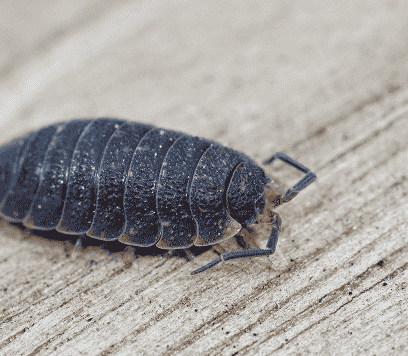
Just as important, a professional should plan follow-up service. Pest control is rarely a set-it-and-forget-it event, especially for rodents and cockroaches. A second visit helps with monitoring, checks whether the treatment is working, and allows adjustments if pests remain active in nesting areas or hidden voids.
For busy Windsor families, a service that combines inspection, treatment, exclusion, and follow-up is usually the safest and most effective option. It minimizes exposure while giving you long-term control rather than temporary relief.
FAQ about safe pest control in Windsor
What is the safest pest control for children and pets in Windsor?
The safest option is usually integrated pest management with a strong focus on inspection, exclusion, sanitation, and non-chemical pest control. When products are needed, low-toxicity treatments such as gel baits, bait stations, or carefully placed dust treatments are often safer than broad spraying. A licensed pest control technician should explain the plan clearly and keep exposure minimal.
Are pest control sprays safe for dogs and cats after treatment?
Yes, they may be, but only if the product is applied properly and you adhere to the label and the technician’s instructions. The safest option is to follow the application timing and re-entry intervals, and to keep pets away from treated areas until they are fully dry or ventilated as directed. Seek a clear explanation of whether the product is a residual spray and how long your pets should stay out.
What pest control methods are best for families with babies or toddlers?
Families with babies or toddlers usually do best from family-friendly, low-exposure methods like bait stations, gel baits, exclusion, and strong prevention. These methods reduce the need for large indoor applications and are often better than open spraying. The best plan is usually one that combines professional inspection, monitoring, and a custom, targeted approach.
How long should kids and pets stay out of the house after pest treatment?
That depends on the product, where it was applied, and the technician’s application instructions. Some treatments require only a short wait, while others may need longer re-entry intervals. Never guess. Request that the company to explain the wait time in plain language and confirm when the home is safe for children and pets to return.
Is eco-friendly pest control effective for Windsor homes?
Yes, eco-friendly pest control can be very effective in Windsor homes when it is based on integrated pest management. The best results usually come from combining prevention, moisture control, sealing entry points, sanitation, monitoring, and selective treatments. For common local issues like rodents, ants, and cockroaches, this approach is often both effective and safer for families.
For many homeowners in Windsor, ON, the safest pest solution is seldom the harshest chemical. It’s the wisest plan: one that safeguards your family, limits exposure, and tackles the infestation at its source. If you choose a provider that knows pest control Windsor needs, follows a thorough inspection process, and offers a straightforward service plan with follow-up treatment, you can keep your home both free of pests and family-safe.
Mosquito Man Windsor
2485 Front Rd, LaSalle, ON N9J 2C5, Canada
+1 226-526-4711
https://maps.app.goo.gl/JwhSC65zfbLWNH6v7
https://mosquitoman.ca/pest-control/windsor/
42.2161228, -83.1003005